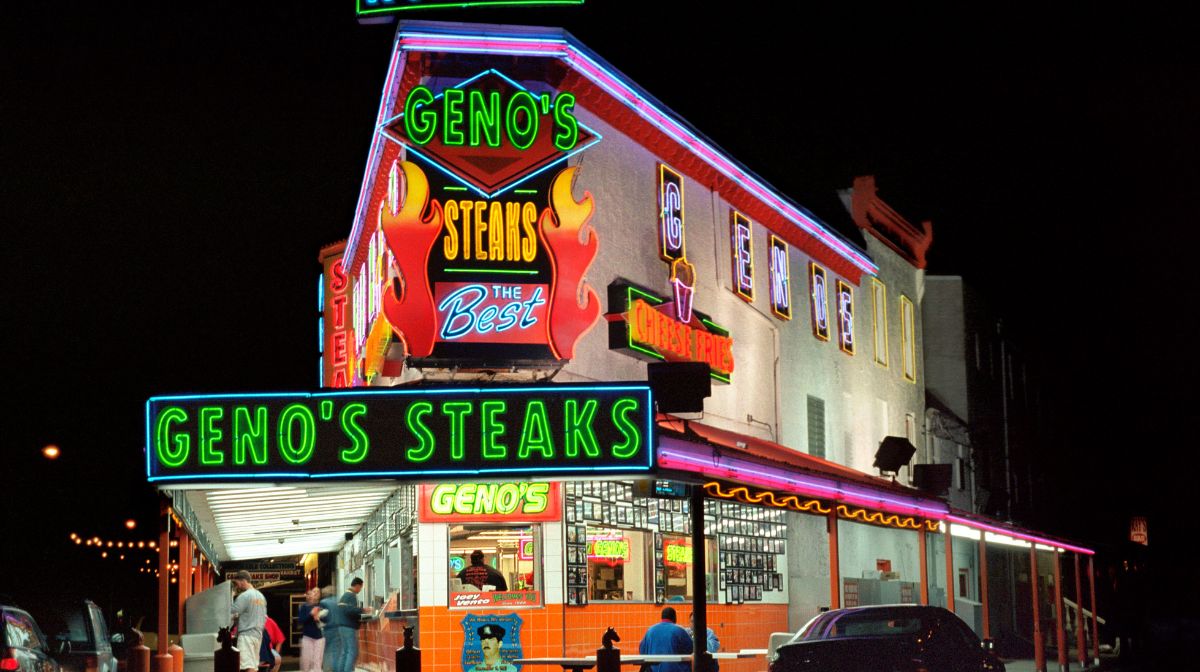
The Philly cheesesteak is more than just a sandwich; it's an institution, a culinary icon, and a deeply debated subject among enthusiasts. While a pilgrimage to Philadelphia offers the ultimate authentic experience, the good news is that crafting a stellar version in your own kitchen is entirely within reach. Forget the fear of disappointing purists – when you're the chef, you get to dictate the deliciousness! This comprehensive guide will unlock the secrets to the best steak, cheese, and bread, empowering you to master your very own authentic Philly cheesesteak recipe at home.
The Heart of the Matter: Choosing and Preparing Your Steak
No cheesesteak discussion can begin without addressing the star of the show: the beef. The quality and preparation of your steak are paramount to achieving that tender, savory bite that defines a great cheesesteak.
The Ideal Cuts: Ribeye vs. Top Round
Traditionally, a classic Philly cheesesteak calls for either ribeye or top round. Both are excellent choices, but they offer slightly different characteristics:
- Ribeye: This is often considered the gold standard for its superior marbling. The intramuscular fat in ribeye melts beautifully as it cooks, infusing the meat with incredible flavor and ensuring a supremely tender texture. While it might be a pricier option, the melt-in-your-mouth experience is often worth the investment for a truly decadent sandwich.
- Top Round: A more economical but still excellent choice, top round is leaner than ribeye but offers a robust beefy flavor. When sliced incredibly thin and cooked quickly, it remains tender and satisfying. Some prefer its slightly firmer texture, which still provides that classic chew without being tough.
What to avoid: Steer clear of tougher cuts like flank steak or brisket. Even thinly sliced, these meats tend to be chewy and won't deliver the tender, yielding texture characteristic of a proper cheesesteak.
Mastering the Thin Slice
The thickness, or rather, the thinness, of your steak is a critical secret. Thinly shaved steak cooks almost instantly, creating those delicate, flavorful pieces that meld seamlessly with the cheese and onions. If you're fortunate enough to have a good butcher, ask them to shave your chosen cut of beef for you – they have specialized equipment that makes this task effortless.
If you're tackling it at home, here's a pro tip: place your steak in the freezer for about 15-20 minutes before slicing. This firms up the meat, making it much easier to achieve paper-thin slices with your sharpest knife. Aim for slices that are almost translucent. Trim off any excessively large pieces of fat, but don't remove all of it; a little fat renders down during cooking, adding flavor and moisture.
Cooking Method: The Griddle Advantage
Authentic cheesesteaks are traditionally cooked on a hot, flat-top griddle. This provides an expansive, even cooking surface that allows the thinly sliced steak to sear quickly and develop a delicious crust. At home, a large cast-iron skillet or a flat griddle pan will mimic this effect perfectly. The key is high heat and quick cooking to prevent the meat from becoming tough.
The Gooey Goodness: Navigating Cheesesteak Cheese Options
The cheese component is where opinions truly diverge, sometimes fiercely! There are three main contenders, each offering a distinct flavor and texture profile to your philly cheesesteak recipe.
Classic Choices: Provolone, Cheez Whiz, and American
- Provolone: Many purists swear by provolone, especially a mild variety. It melts into a wonderfully stretchy, gooey layer that beautifully coats the steak. Its subtle tang complements the rich beef without overpowering it, making it a sophisticated choice for those who appreciate nuanced flavors.
- Cheez Whiz: Don't scoff! This shelf-stable cheese product is undeniably a classic, particularly at iconic spots like Pat's and Geno's. It delivers an incredibly smooth, velvety, and undeniably savory cheese experience. It's unapologetically bold and creates that iconic, almost liquid cheese coating. For an authentic taste of Philly's street food culture, Cheez Whiz is a must-try.
- American Cheese: While perhaps not as historically "classic" as the other two, good quality white American cheese is increasingly popular and provides a fantastic melt. It’s creamy, mild, and melts into a beautifully uniform texture, making it a favorite for its sheer lusciousness and ability to integrate perfectly with the steak.
Melting Technique
Regardless of your cheese choice, the melting technique is crucial. For the perfect gooey consistency, tradition dictates placing the cheese directly over the cooked, chopped steak mixture on the griddle or in the pan. A common technique is to form a mound of steak, drape the cheese over it, and let it melt for a minute before gently stirring it into the meat or scooping it directly onto the roll. This ensures the cheese is fully incorporated and lusciously molten.
The Foundation: Selecting the Perfect Bread
Even the best steak and cheese will fall flat without the right vessel. The bread isn't just a container; it's an integral part of the experience, soaking up juices and providing textural contrast.
The Amoroso Roll Quest
In Philadelphia, the iconic Amoroso roll is synonymous with the cheesesteak. These rolls are known for their specific combination of a slightly crisp crust and a soft, chewy interior that can absorb the steak juices without falling apart. They are sturdy yet yielding, the perfect balance for a substantial sandwich. Unfortunately, if you're not in the Philly area, finding authentic Amoroso rolls can be a challenge.
Excellent Alternatives: Hoagie Rolls and Beyond
Don't despair if Amoroso rolls are out of reach! Many bakeries now offer excellent substitutes. Look for a quality hoagie roll or a similar long, crusty white roll. The ideal bread should possess:
- A sturdy crust: It needs to withstand the generous filling without collapsing.
- A soft, absorbent interior: This is key for soaking up all the savory juices from the steak and melting cheese.
- A good chew: It shouldn't be too soft or too hard, offering a satisfying bite that complements the tender meat.
Lightly toasting or warming your chosen roll can also significantly enhance the experience, giving it a slight crispness that provides a delightful counterpoint to the soft filling.
Beyond the Basics: Essential Flavor Boosters & Customization
While the core elements are steak, cheese, and bread, classic additions elevate the sandwich even further. Making a homemade philly cheesesteak recipe also means you're free to craft your perfect Philly cheesesteak and customize your way.
Caramelized Onions and Peppers
The "wit" in Philly lingo refers to onions, and for good reason. Caramelized onions add a layer of sweet, savory depth that perfectly complements the rich steak. Many also enjoy sautéed bell peppers (often green), which introduce a fresh, slightly bitter counterpoint and a pop of color. The secret here is patience: onions and peppers need significantly more cooking time than the steak to become soft, sweet, and slightly browned. Cook them first, separately from the steak, until they reach that desirable tenderness, then combine them with the cooked meat and cheese.
Personalizing Your Philly Cheesesteak Recipe
While the traditionalists might raise an eyebrow, your kitchen is your canvas. Feel free to add:
- Sautéed Mushrooms: Earthy and savory, they add another layer of umami.
- Hot Peppers: A dash of heat from cherry peppers or jalapeños can be a welcome addition for spice lovers.
- Condiments: A touch of ketchup or mayonnaise can sometimes be found on non-traditional versions.
The beauty of making it at home is that you can truly tailor the sandwich to your personal preferences.
Putting It All Together: Your At-Home Philly Cheesesteak Recipe Journey
Once you've mastered the components, assembling your cheesesteak is the grand finale. Cook your onions and peppers first, setting them aside. Next, quickly cook your thinly sliced steak on a hot griddle or pan, chopping it with your spatula as it cooks. Once the steak is browned and tender, return the onions and peppers to the pan, place your cheese over the mixture, and allow it to melt until gooey. Gently stir everything together or scoop the cheesy steak mixture directly into your prepared roll.
Embracing the core principles of quality ingredients – a great cut of beef, proper slicing, delicious cheese, and a sturdy roll – will set you up for success. While the debate over authenticity rages on in Philadelphia, your kitchen is a judgment-free zone where the only rule is deliciousness. So go ahead, experiment, and enjoy the rich, savory satisfaction of your very own homemade Philly cheesesteak!
